
Ultimate Guide To Hardwood Buffing Products For Professional Results
Learn about the essential buffing products that provide superior finish quality and durability on hardwood surfaces.
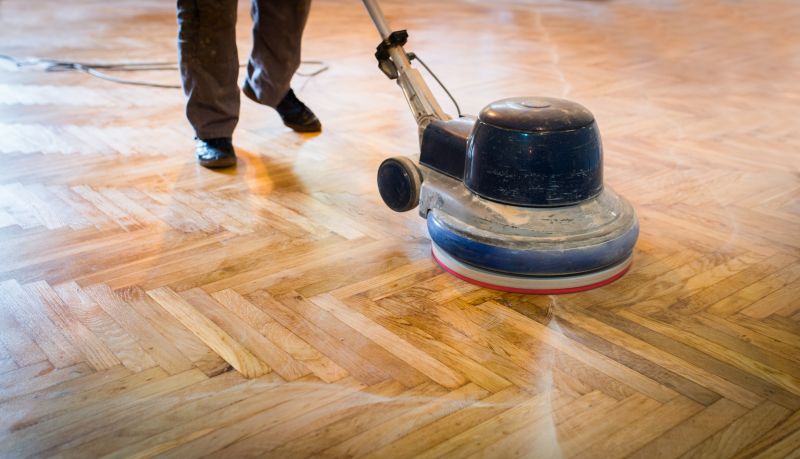 Maintaining the natural beauty and longevity of hardwood flooring often involves the use of buffing products designed to restore shine and smoothness. Buffing products for hardwood floors come in various forms, including pads, compounds, and attachments, each tailored to different stages of the finishing or maintenance process. These products are essential tools for achieving a polished, even surface that enhances the floor's appearance and helps protect it from daily wear and tear.
Top Overall Option
Multi-Purpose Floor Buffer Pad
A versatile buffer pad designed for various hardwood flooring needs, offering gentle yet effective polishing and cleaning capabilities. Compatible with most orbital buffers, it provides an even finish and can be used with different polishing compounds. Its durable construction ensures consistent performance across multiple uses, making it a reliable choice for both routine maintenance and detailed buffing tasks.
Types of Products For Hardwood Buffings
Cotton Buffer Pads
Soft and absorbent, ideal for gentle polishing and applying wax or finishing compounds on hardwood floors.
Foam Buffing Pads
Lightweight and versatile, suitable for polishing, cleaning, and light buffing to restore shine.
Microfiber Pads
Highly effective at trapping dust and debris, these pads are great for detailed cleaning and polishing.
Diamond-Embedded Pads
Designed for heavy-duty buffing and polishing, often used in professional settings for deep shine restoration.
Synthetic Fiber Pads
Durable and resistant to heat, suitable for use with various polishing compounds on hardwood surfaces.
Velcro Backed Pads
Easy to attach and remove from power buffers, compatible with different pad types for versatile use.
Scrubbing Brushes
Sturdy brushes for removing stubborn dirt and scuffs before buffing or polishing.
Polishing Compounds
Specialized formulations designed to enhance the shine and smoothness of hardwood floors during buffing.
Abrasive Pads
Used for light sanding or preparing the surface before applying a finish or polish.
Cleaning and Buffing Attachments
Attachments that combine cleaning and buffing functions for efficient floor maintenance.
Popular Choices
Widely used for their ability to trap dust and provide a smooth, streak-free finish on hardwood floors.
Commonly favored for their gentle polishing action and ease of use with various compounds.
Popular for their convenience and compatibility with most power buffers, facilitating quick pad changes.
Trusted for their softness and effectiveness in applying wax or polish evenly across surfaces.
Chosen for their durability and ability to deliver a high-quality shine, especially in professional settings.
Popular for their resistance to heat and long-lasting performance during extensive buffing routines.
Effective in removing embedded dirt and preparing the surface for polishing or finishing.
Frequently used to enhance the gloss and smoothness of hardwood surfaces during buffing.
Selecting the right buffing product depends on several factors such as the type of hardwood, the current condition of the surface, and the desired finish. Some products are formulated specifically for initial polishing after installation, while others are better suited for routine maintenance or minor touch-ups. Proper buffing can help remove small scratches, scuffs, and dullness, restoring the floor’s natural luster without the need for extensive refinishing.
When using buffing products, it is important to consider the compatibility with your flooring finish—whether it’s polyurethane, oil-based, or wax. Additionally, the equipment used, such as orbital buffers or rotary machines, should match the product specifications to ensure effective and safe application. Regular maintenance with appropriate buffing products can extend the lifespan of hardwood floors, keeping them looking their best over time.
Incorporating the right buffing products into your hardwood floor care routine can make a noticeable difference in the appearance and durability of your flooring. It’s recommended to follow manufacturer instructions carefully and to test any new product on a small, inconspicuous area first. Proper selection and application of buffing products can help maintain a beautiful, smooth, and resilient hardwood surface for years to come.
Key Buying Considerations
- Compatibility with your specific hardwood flooring finish, such as polyurethane, oil, or wax.
- Type of buffing product suited for your task, whether routine maintenance or deep polishing.
- Material of the buffing pad—cotton, foam, microfiber, or synthetic fibers—based on desired softness and durability.
- Size and shape of the buffing pad to ensure it fits your buffer machine and covers the intended surface area.
- Ease of attachment and removal, particularly if you plan to switch between different pads frequently.
- Durability and lifespan of the buffing product, especially for frequent use or professional applications.
- Ability to handle different polishing compounds or cleaning solutions without deterioration.
- Level of abrasiveness needed—lighter pads for finishing, more abrasive for heavy-duty cleaning or prep.
- Brand reputation and user reviews to gauge performance and reliability.
- Cost-effectiveness, balancing quality with your budget for ongoing maintenance needs.
- Ease of cleaning and maintenance of the buffing products after use.
- Availability of compatible accessories or replacement parts for your equipment.
- Environmental considerations if applicable, though not a primary focus in this context.
- Recommendations for specific applications, such as detailed spot buffing versus whole-floor polishing.
- Manufacturer instructions and safety guidelines for proper usage.