Optimal Timing for Hardwood Buffing
Hardwood buffings are most effectively performed during periods when wood surfaces are dry and stable. Optimal conditions include moderate temperatures and low humidity levels, which help ensure a smooth and even finish. Timing can influence the quality and durability of the buffing process, making it essential to select appropriate periods for application.
Spring and early fall often provide the best conditions due to milder weather and stable humidity levels.
Avoid buffing during high humidity, rain, or extreme cold, as these conditions can affect the finish and adhesion.
Perform buffings after the wood has fully dried post-installation or finishing to prevent issues.
Regular buffings can be scheduled based on usage, but seasonal timing ensures optimal results.
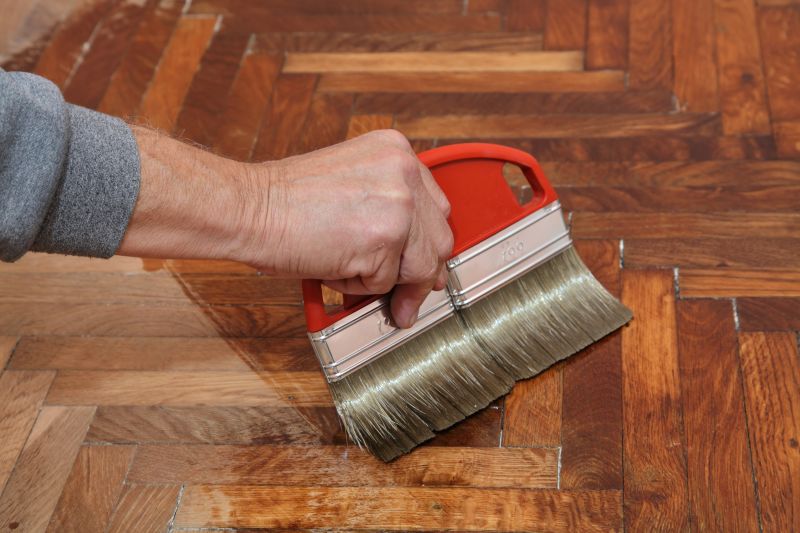
Ensures smooth application and durable finish.
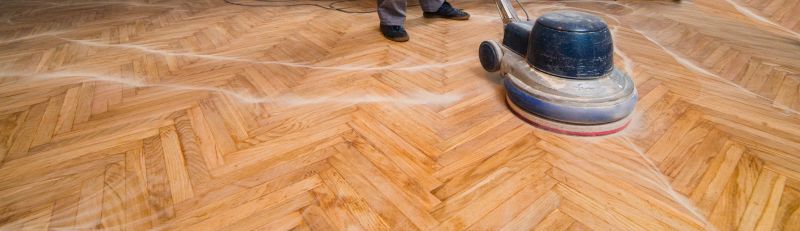
Spring and fall are optimal for hardwood buffings.
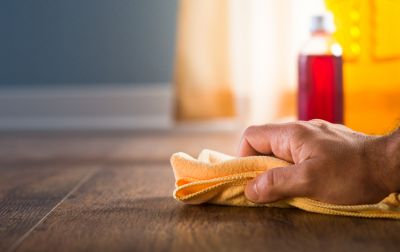
High humidity can compromise the process.
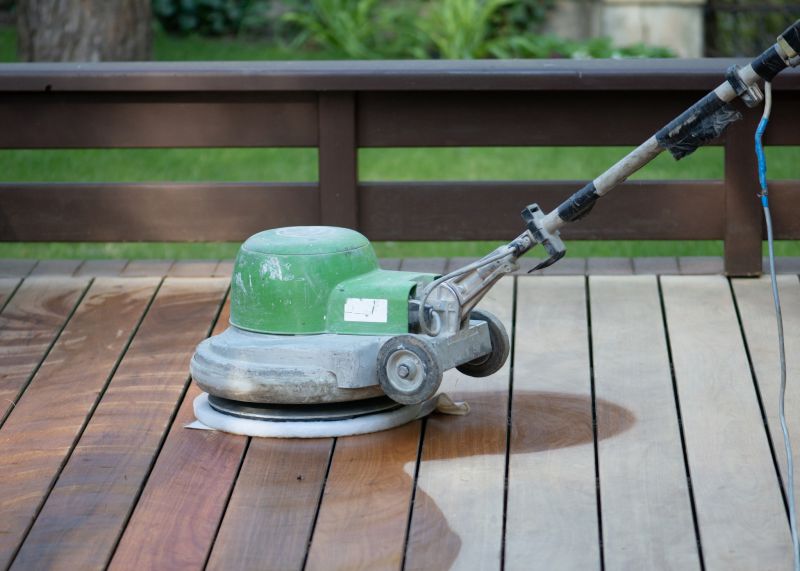
Best performed after wood surfaces are fully dried.
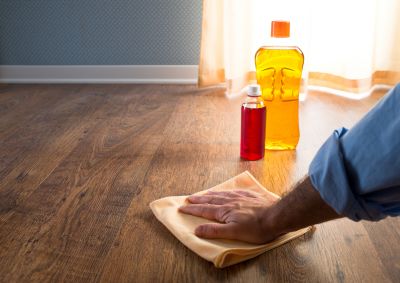
Scheduling based on usage patterns.
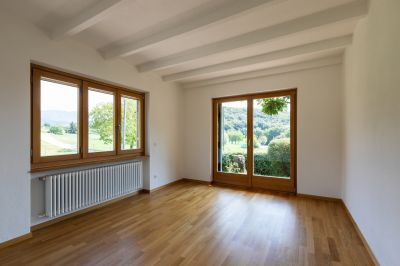
Helps determine the best buffing windows.
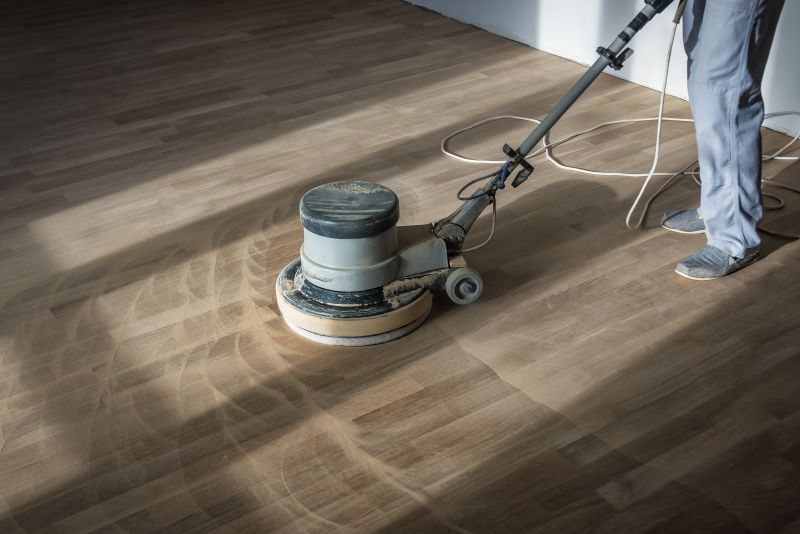
Timing impacts durability and appearance.
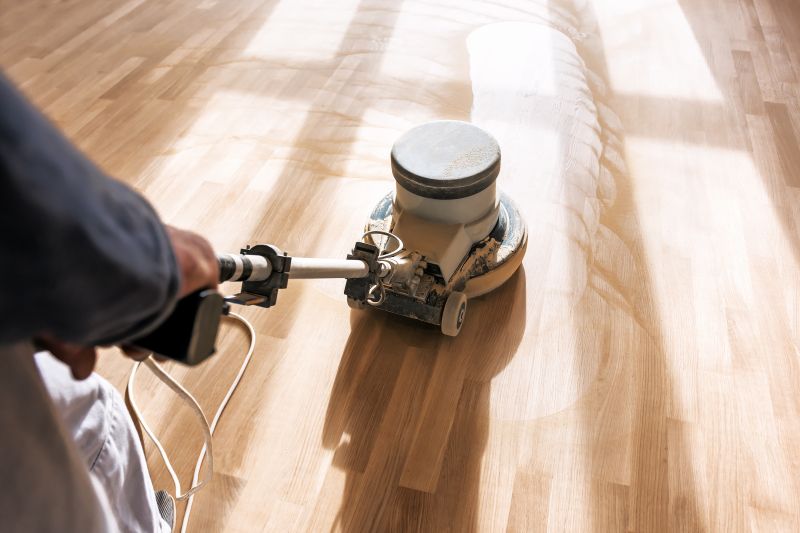
Moderate temperatures and low humidity are ideal.
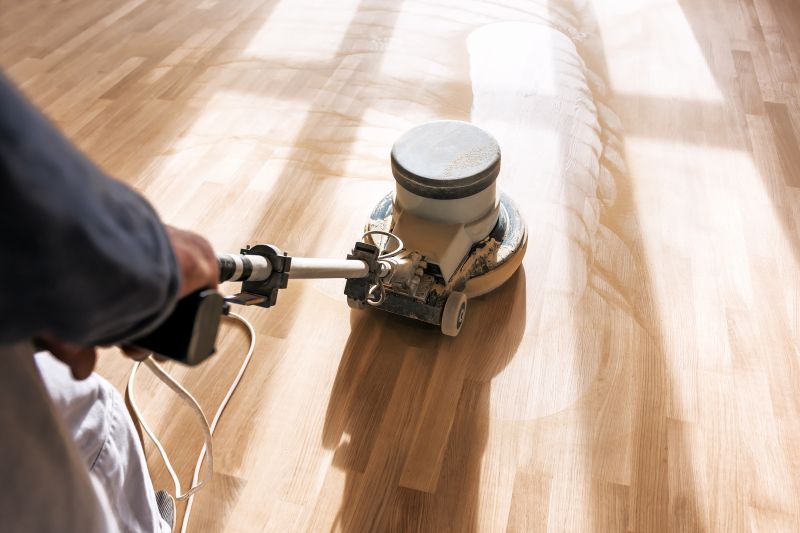
Prepare surfaces during suitable weather for best results.
| Factor | Recommendation |
|---|---|
| Temperature | Moderate, avoid extremes |
| Humidity | Low to moderate levels |
| Season | Spring and fall preferred |
| Post-installation | Wait until surfaces are dry |
| Weather conditions | Avoid rain and high humidity |
Hardwood buffings involve the process of smoothing and polishing wood surfaces to enhance appearance and durability. This technique is often used to remove minor scratches, imperfections, and surface irregularities, resulting in a refined finish. The effectiveness of buffings depends heavily on timing, surface condition, and environmental factors, making proper scheduling essential for optimal results.
Statistics indicate that performing buffings during ideal weather conditions can extend the lifespan of wood finishes by reducing wear and tear. Proper timing ensures that the surface is adequately prepared, leading to a more uniform and long-lasting finish. Understanding seasonal and environmental influences helps in planning effective buffing schedules to maintain wood surfaces in top condition.
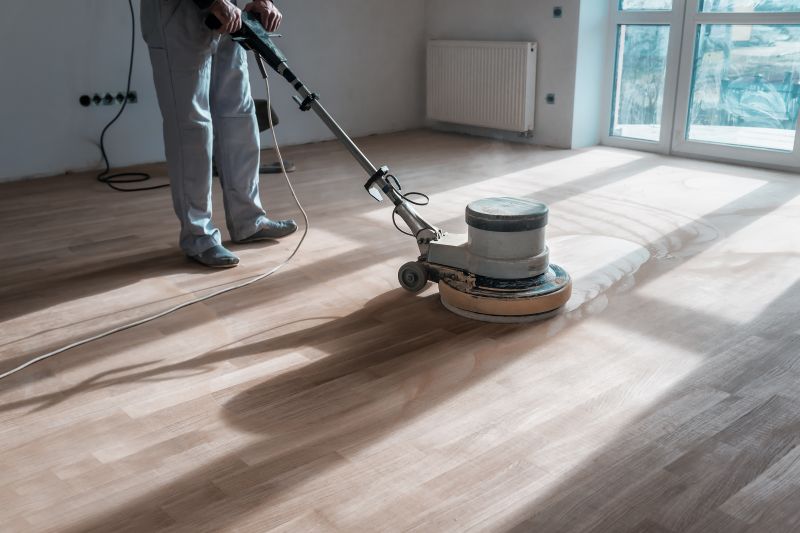
Proper tools enhance results.
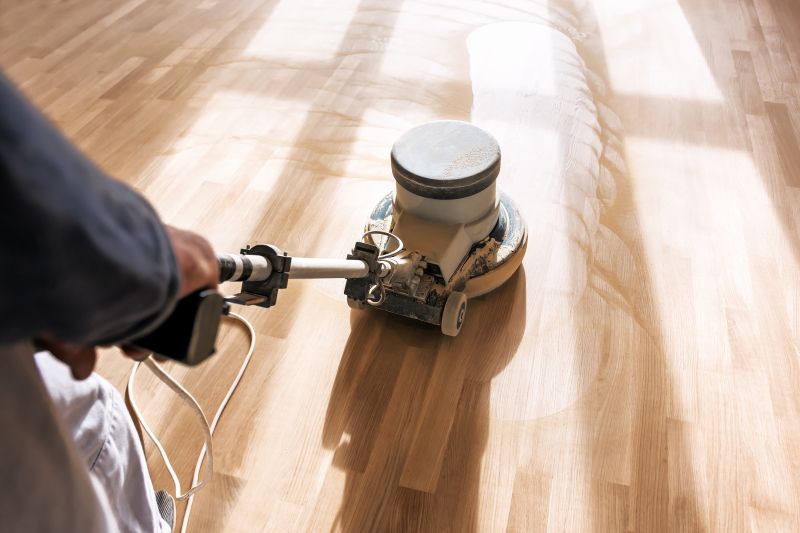
Shows the quality of proper buffing timing.
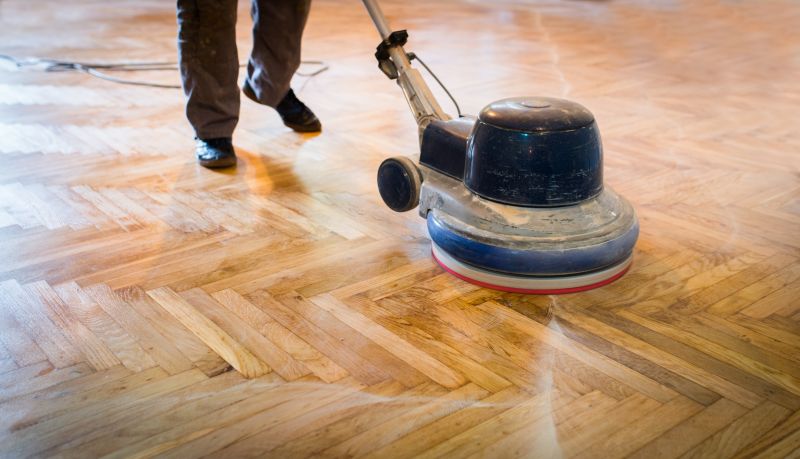
Step-by-step surface polishing.
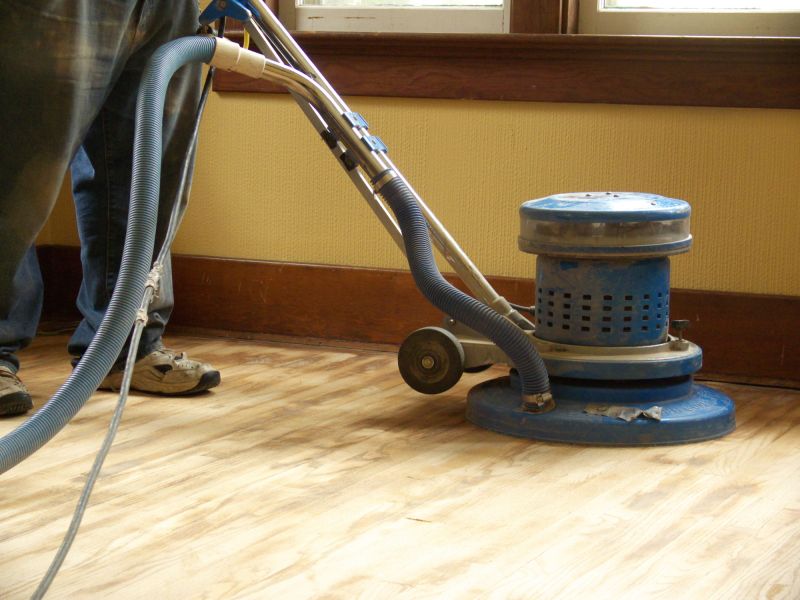
Initial condition prior to polishing.
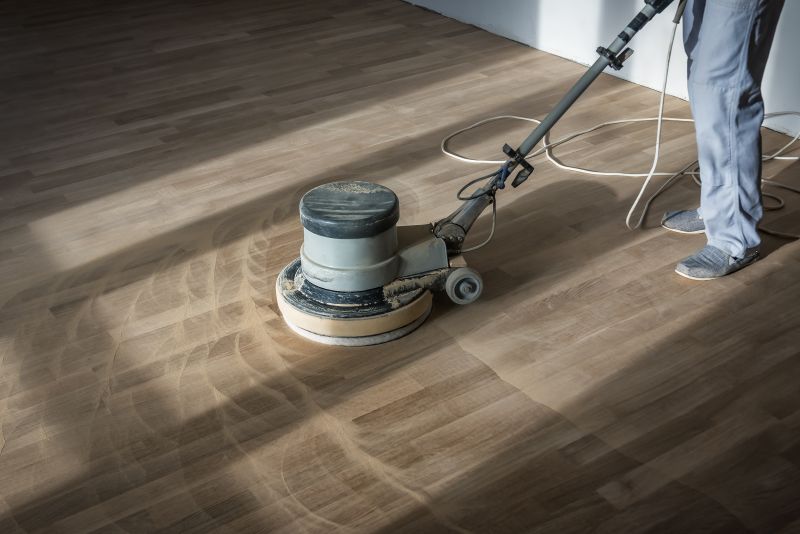
Ways to make Hardwood Buffings work in tight or awkward layouts.
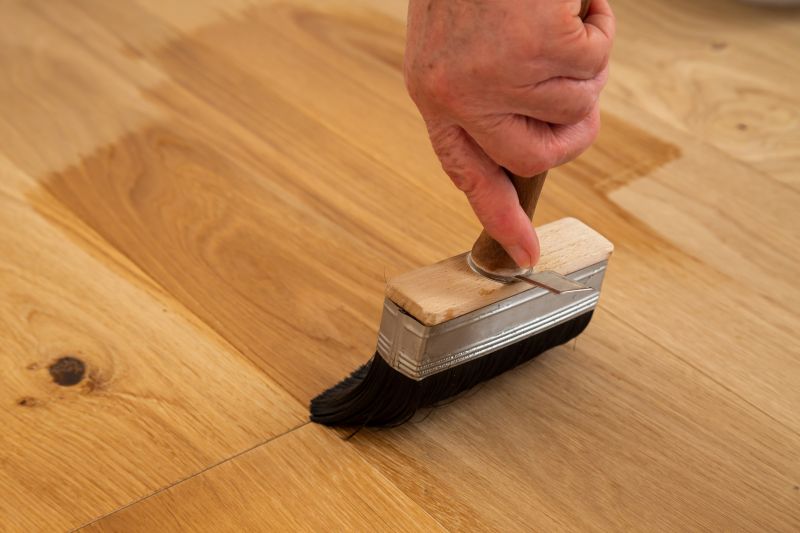
Popular materials for Hardwood Buffings and why they hold up over time.
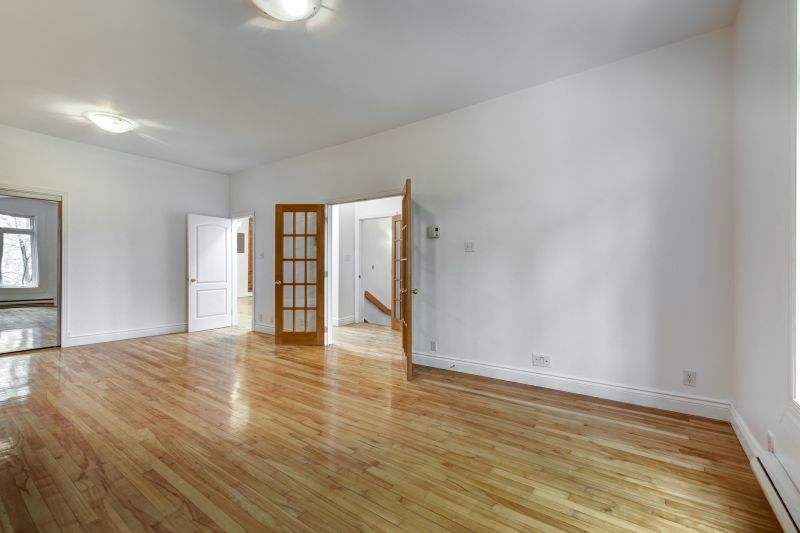
Simple add-ons that improve Hardwood Buffings without blowing the budget.
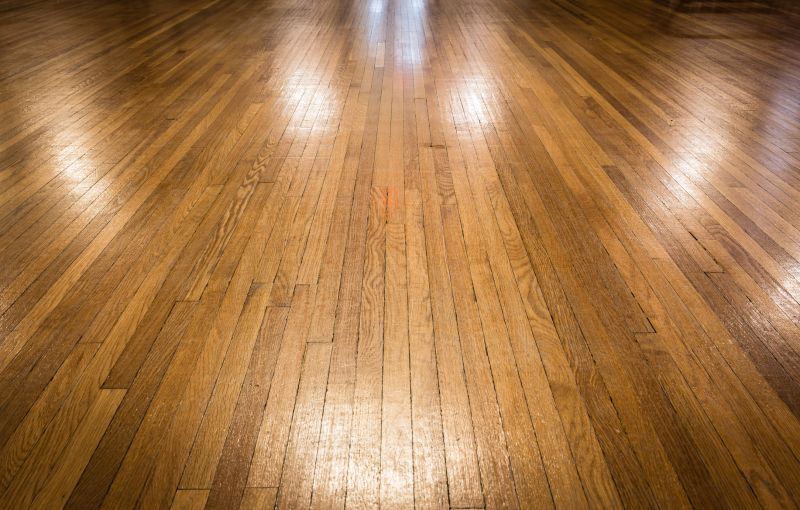
High-end options that actually feel worth it for Hardwood Buffings.
Interested parties are encouraged to contact for more information on scheduling and performing hardwood buffings at optimal times. Proper timing and technique ensure a high-quality, durable finish that enhances the appearance and longevity of wood surfaces.