Mold Inspection And Removal in Essex County, NJ
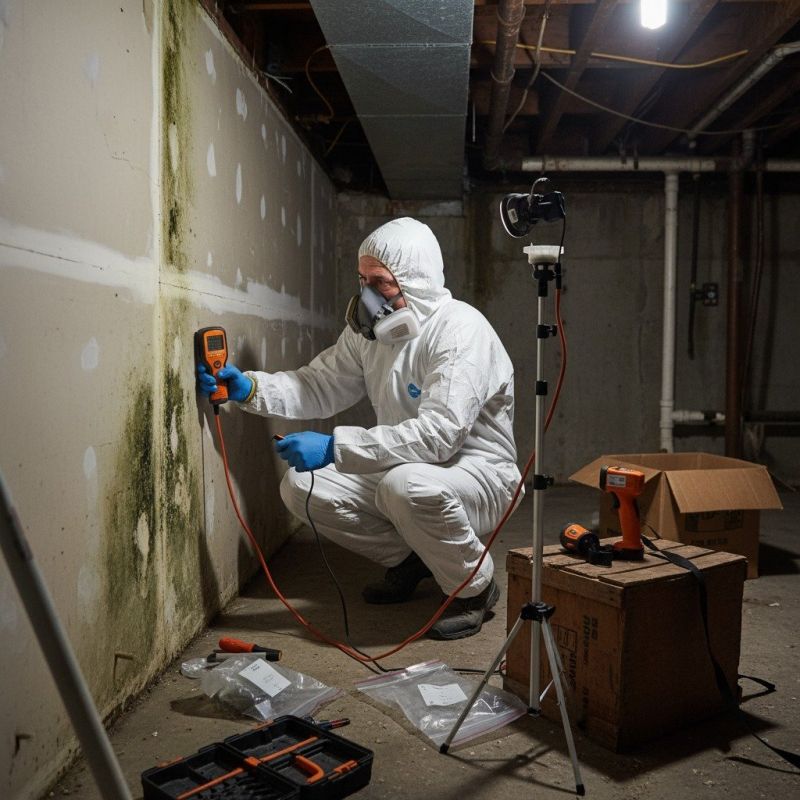
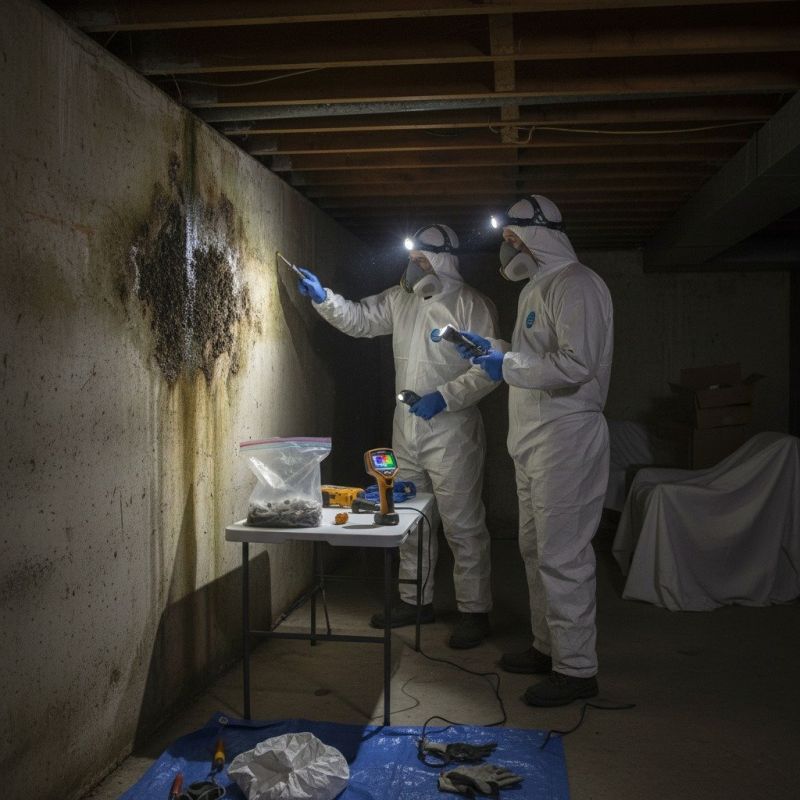
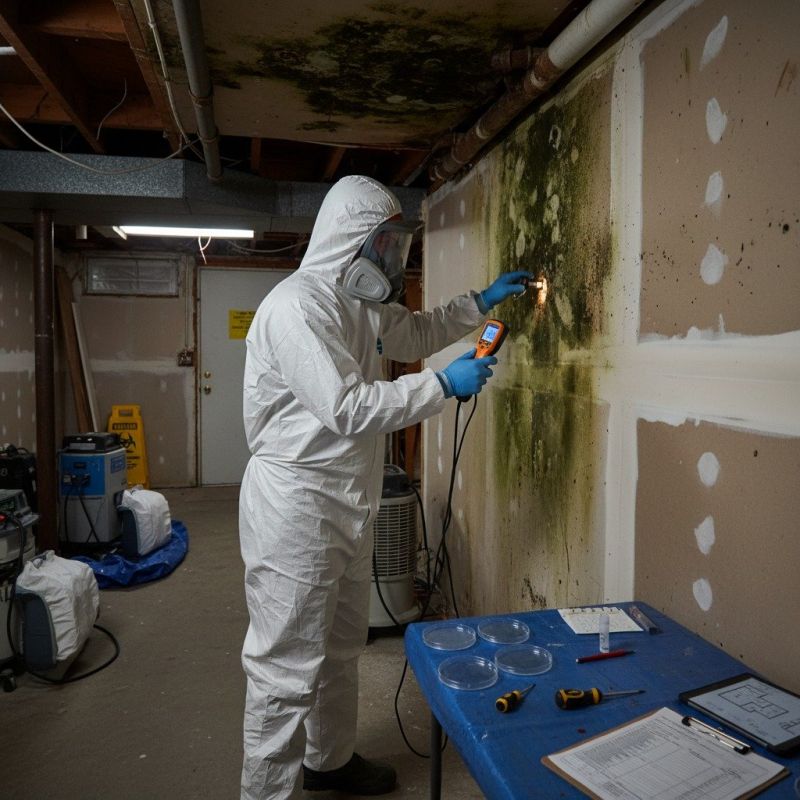
Mold inspection and removal services are designed to identify and eliminate mold growth within residential properties. These projects typically involve assessing indoor air quality, inspecting areas prone to moisture such as basements, bathrooms, and attics, and determining the extent of mold presence. Homeowners often seek this service when noticing signs of mold, such as a musty odor, visible growth, or health concerns related to mold exposure. Understanding the scope of the inspection and the potential need for remediation helps property owners make informed decisions about maintaining a healthy living environment.
Before requesting mold inspection and removal, property owners usually want to know what the process entails, including the methods used for testing and the areas that will be examined. They may also inquire about the types of mold commonly found in homes and the associated health risks. Clarifying these details ensures homeowners are prepared for what to expect and can assess whether professional intervention is necessary to address moisture issues and prevent future mold growth. Proper evaluation and removal can contribute to a safer, cleaner home environment.
Many property owners in Essex County, NJ look into Mold Inspection And Removal for repairs, replacements, upgrades, and appearance-related improvements.
Signs Of Mold Growth
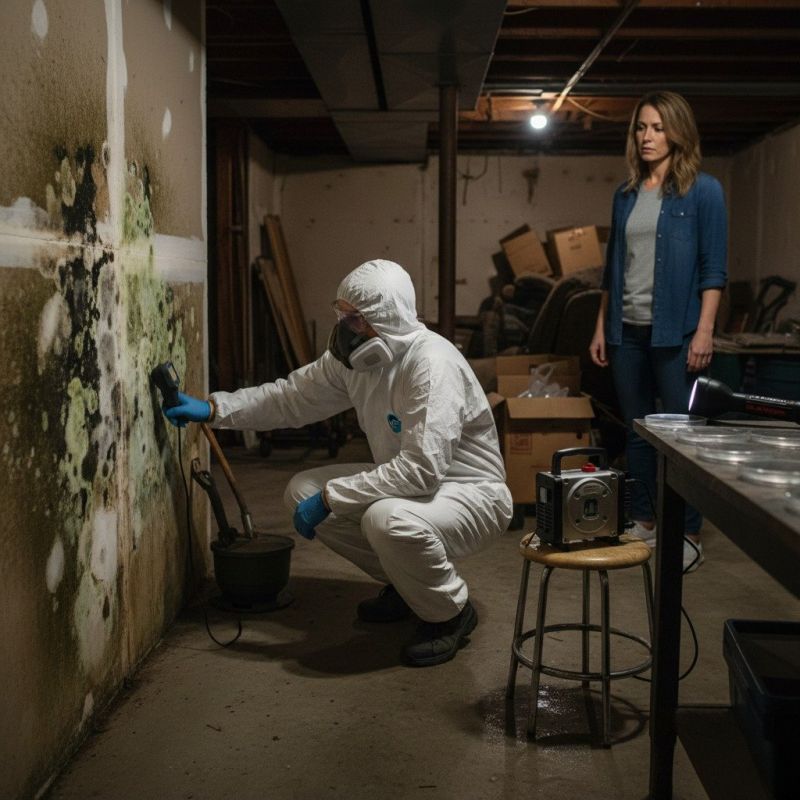
Indicators such as musty odors, discoloration, or visible patches can suggest mold presence in your property.
Health And Property Risks
Mold can cause health issues and structural damage, making inspection and removal essential for safety and preservation.
Inspection And Remediation Process
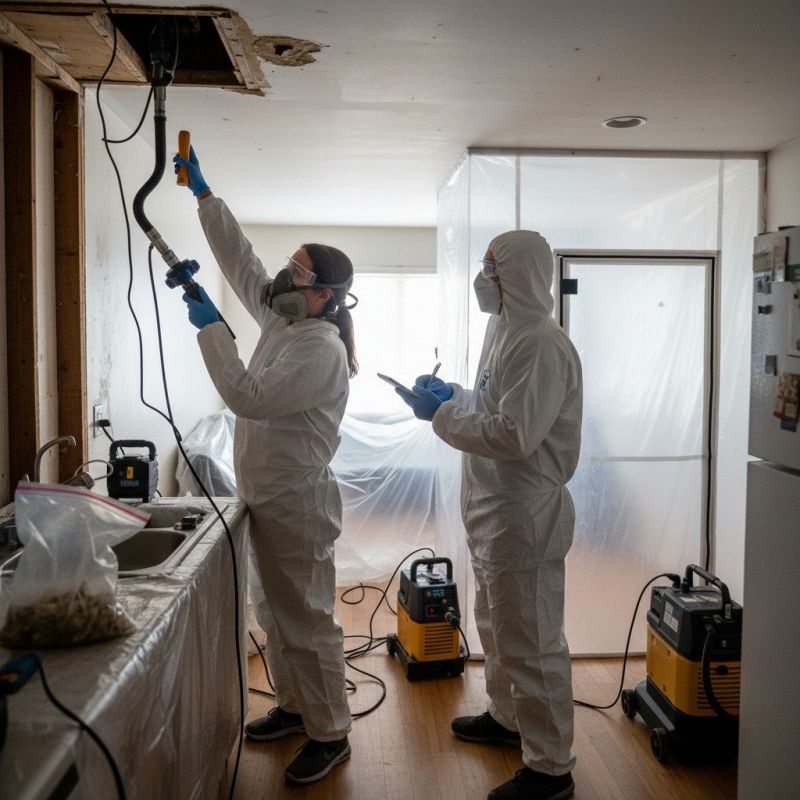
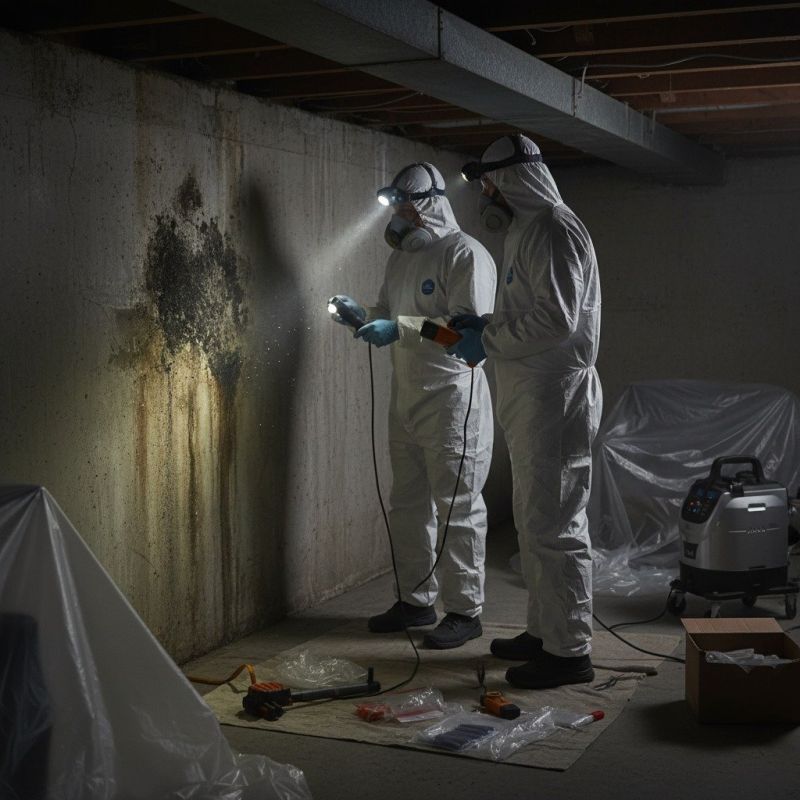
Professional services include thorough testing, identification, and safe removal to restore indoor air quality and property integrity.
Mold Inspection And Removal in Essex County, NJ
Mold inspection and removal services are designed to identify and eliminate mold growth within residential properties. These projects typically involve assessing indoor air quality, inspecting areas prone to moisture such as basements, bathrooms, and attics, and determining the extent of mold presence. Homeowners often seek this service when noticing signs of mold, such as a musty odor, visible growth, or health concerns related to mold exposure. Understanding the scope of the inspection and the potential need for remediation helps property owners make informed decisions about maintaining a healthy living environment.
Before requesting mold inspection and removal, property owners usually want to know what the process entails, including the methods used for testing and the areas that will be examined. They may also inquire about the types of mold commonly found in homes and the associated health risks. Clarifying these details ensures homeowners are prepared for what to expect and can assess whether professional intervention is necessary to address moisture issues and prevent future mold growth. Proper evaluation and removal can contribute to a safer, cleaner home environment.
Many property owners in Essex County, NJ look into Mold Inspection And Removal for repairs, replacements, upgrades, and appearance-related improvements.
Common Mold Inspection And Removal Jobs
Mold Inspection - identifies the presence and extent of mold growth in residential properties.
Mold Removal - safely eliminates visible mold and contaminated materials from indoor spaces.
Moisture Assessment - detects underlying moisture issues that contribute to mold development.
Air Quality Testing - measures mold spores and airborne contaminants to assess indoor air health.
Post-Remediation Verification - confirms that mold has been effectively removed and conditions are safe.
Water Damage Cleanup - addresses leaks and flooding to prevent mold growth and structural damage.
Mold Inspection And Removal Questions
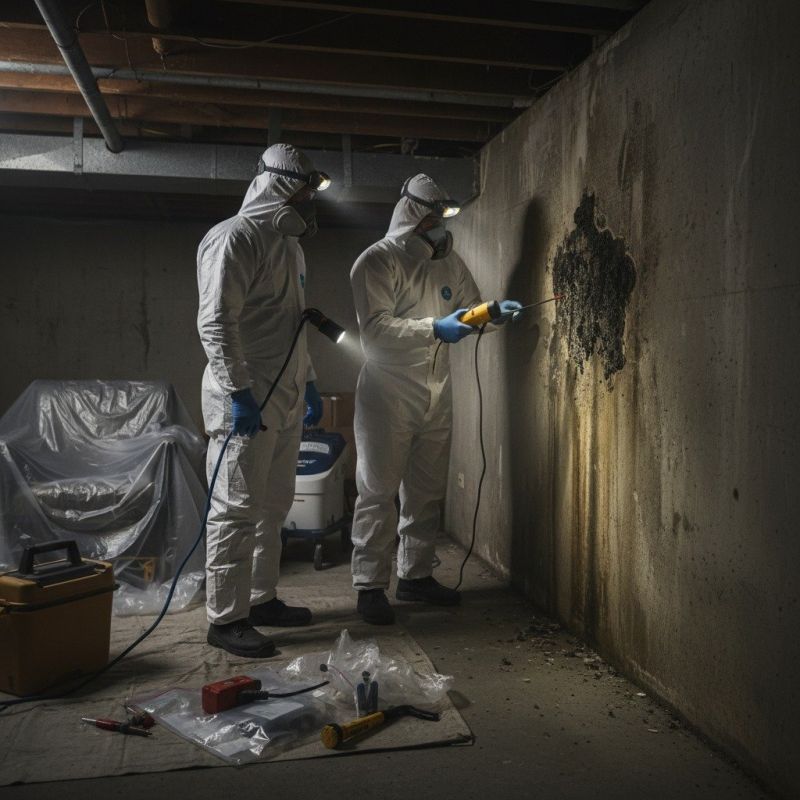
What is involved in a mold inspection? A mold inspection includes assessing indoor environments for visible mold, moisture issues, and potential sources of mold growth to determine if remediation is needed.
How does mold removal typically work? Mold removal involves containing affected areas, cleaning and disinfecting surfaces, and addressing underlying moisture problems to prevent future growth.
What types of properties request mold inspection services? Properties such as homes, apartments, and commercial buildings often require mold inspections to ensure indoor air quality and structural safety.
Why is moisture control important in mold remediation? Moisture control is essential because mold thrives in damp conditions, and reducing humidity helps prevent mold from returning after removal.
Request Mold Inspection And Removal in Essex County, NJ
Use the quote form on this page to share the basics of your project and request more information for the type of work you need.